
Instagram vs Facebook for Community Garden Marketing in 2025
Community gardens face a crucial 2025 marketing dilemma: Facebook's massive 3.07 billion user reach versus Instagram's superior 5.03% engagement rates. But the real game-changer isn't platform size—it's understanding which demographics actually show up to volunteer.
Key Takeaways
Facebook reaches 3.07 billion users globally while Instagram achieves higher engagement rates at 5.03% versus Facebook's 1.06%
Age demographics create distinct strategic opportunities: Facebook captures established community members aged 25+, while Instagram attracts younger users under 35 who support sustainability movements
Visual garden content performs better on Instagram, while Facebook excels at educational posts, event coordination, and community building through Groups
Multi-platform strategies combining both platforms can improve volunteer retention rates compared to single-platform approaches
Budget allocation strategies differ between platforms, with Facebook offering more cost-effective advertising while Instagram justifies higher costs through superior engagement
Community gardens face a critical decision in 2025: where to invest their limited marketing resources for maximum impact. The choice between Instagram and Facebook isn't just about platform preference—it's about understanding how each serves different audiences and content types to build thriving garden communities.
Facebook Dominates Reach While Instagram Delivers Higher Engagement
Facebook maintains its position as the larger platform with 3.07 billion monthly active users compared to Instagram's over 2 billion users, giving community gardens access to a broader potential audience. This massive reach advantage makes Facebook particularly valuable for community gardens seeking to connect with local residents and establish their presence in neighborhood networks.
However, raw numbers don't tell the complete story. Instagram significantly outperforms Facebook in engagement, delivering an average engagement rate around 5.03% compared to Facebook's approximately 1.06%. For nonprofits specifically, engagement rates can vary widely, but Instagram generally achieves higher meaningful interactions with community members than Facebook.

This engagement disparity becomes important for community gardens because higher engagement rates translate directly into stronger community connections, increased volunteer interest, and more successful fundraising efforts. Organizations looking to maximize their fundraising potential through community engagement should consider how these engagement differences impact their overall strategy.
The average Facebook user interacts with at least 10 posts daily through likes, shares, or comments, but Instagram users demonstrate deeper engagement with content they find compelling. Community gardens using video content generally report higher social media engagement than those relying solely on text and images, with Instagram's video-first algorithm amplifying this advantage.
Age Demographics Drive Platform Selection Strategy
Understanding demographic differences between platforms helps community gardens target their messaging effectively and reach the right volunteers for different roles and responsibilities.
Facebook Captures Established Community Members
Facebook attracts a broader, more mature audience with users aged 25-34 representing 31.1% of the platform, while older demographics aged 55+ make up a significant portion of users. This demographic composition makes Facebook ideal for reaching established community members, families with children, and local decision-makers who often have more time to volunteer and stronger ties to neighborhood initiatives.
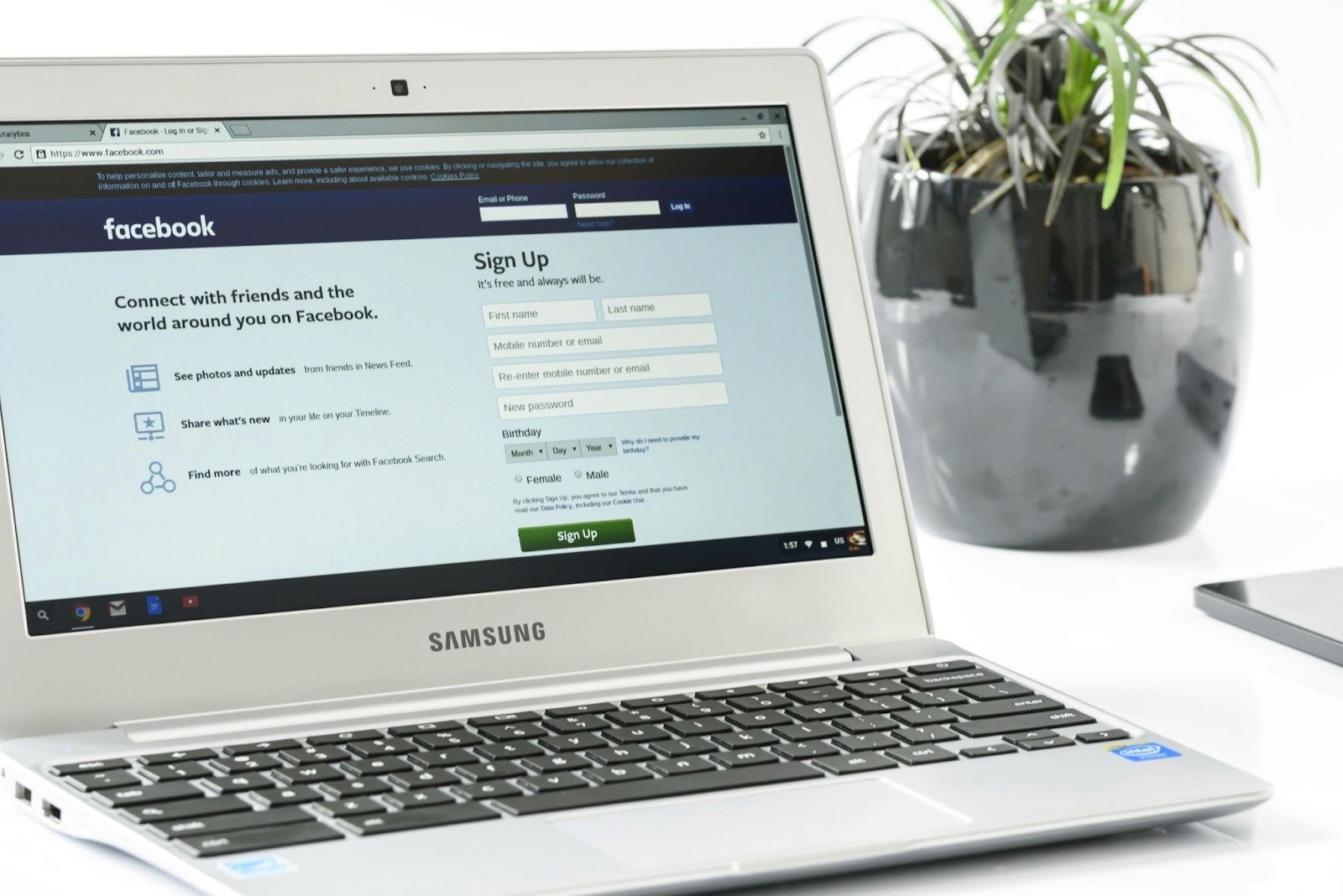
These older demographics typically possess valuable skills for community garden operations, including gardening experience, organizational abilities, and professional expertise that benefits garden management. They also tend to have more flexible schedules during weekday hours when many garden maintenance activities occur.
Facebook's mature user base correlates with higher disposable income levels, making them more likely to support garden fundraising efforts and purchase garden-related products or services. Gardens featured in local news outlets often see increased volunteer inquiries following positive coverage, with Facebook serving as a primary channel for sharing this media attention with established community members.
Instagram Attracts Sustainability-Focused Younger Demographics
Instagram skews significantly younger, with 18-24 year-olds comprising 31.7% and 25-34 year-olds making up 30.6% of users, totaling 60% of users under 35. This demographic proves valuable for community gardens seeking to engage Gen Z and Millennials who increasingly prioritize sustainability, local food systems, and environmental activism.

Younger Instagram users bring fresh energy, social media savvy, and innovative ideas to community gardens. They're more likely to share garden content, create user-generated content, and attract their peer networks to garden activities. Millennials represent the most active demographic on social media, with 69.2% estimated to be using social media in 2025.
This younger demographic also tends to value authentic, behind-the-scenes content that showcases the real work and impact of community gardens. They respond well to storytelling approaches that connect gardening to larger environmental and social justice themes, making Instagram's visual format particularly effective for this messaging.
Content Performance Varies Dramatically by Platform Type
Different content types perform better on each platform, requiring community gardens to tailor their messaging and format strategies accordingly.
Instagram Excels with Visual Garden Storytelling
Instagram's visual-first approach aligns naturally with community gardens' photogenic activities like planting, growing, and harvesting. The platform excels at showcasing garden transformations, seasonal changes, and harvest celebrations through high-quality imagery and video content.

Gardens using location-based check-ins can increase visibility and attract nearby residents to discover garden activities. Instagram Stories and Reels create opportunities for real-time updates, behind-the-scenes content, and quick gardening tips that keep followers engaged between major posts.
User-generated content performs exceptionally well on Instagram, with 79% of people saying UGC highly impacts their purchasing decisions. Community gardens can benefit from this by encouraging members to share their own garden photos, creating an authentic content stream that showcases community involvement and garden success.
Facebook Dominates Educational and Event Content
Facebook's format better accommodates longer-form educational content, detailed announcements, and detailed event information. The platform excels at sharing gardening techniques, sustainability practices, and community impact stories that require more explanation than Instagram's shorter format allows.
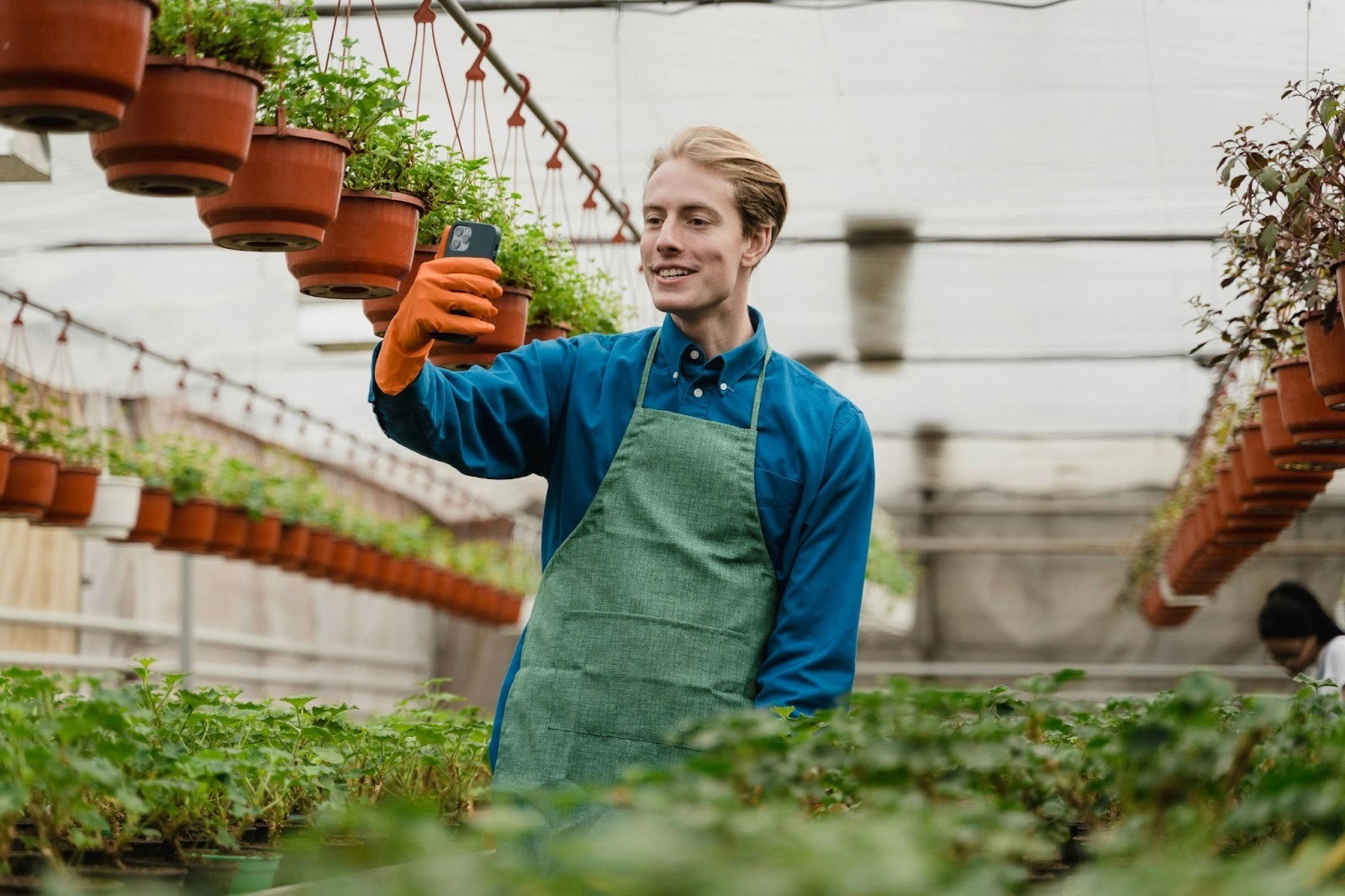
Facebook Live sessions work particularly well for virtual garden tours, Q&A sessions with gardening experts, and educational workshops that can reach community members unable to attend in person. These live features help gardens build expertise positioning and provide valuable educational content that drives community engagement.
Gardens using volunteer testimonials in marketing materials can see increased new participant inquiries compared to those using only staff-created content. Facebook's format allows for detailed testimonial posts that tell complete stories about volunteer experiences and garden impact.
Advertising Costs vs Engagement Creates Budget Decisions
Budget constraints force community gardens to make strategic decisions about paid promotion across platforms, balancing cost-effectiveness with engagement quality.
Facebook Provides More Cost-Effective Ad Reach
Facebook generally offers more cost-effective advertising with lower cost-per-click rates compared to Instagram. For community gardens operating with limited marketing budgets, Facebook can provide more clicks per dollar spent, making it ideal for broad awareness campaigns and event promotion.

Facebook's lower advertising costs particularly benefit community gardens during peak seasons when they need to reach maximum numbers of potential volunteers and participants. The platform's detailed targeting options allow gardens to reach specific neighborhood demographics, age groups, and interest categories at affordable rates.
Event promotion represents one of Facebook's strongest advantages, with superior event creation tools and cost-effective promotion options for garden workdays, educational workshops, and harvest festivals. The platform's event features integrate seamlessly with community calendars and allow easy sharing among local networks.
Instagram Delivers Superior Engagement Performance
Despite higher individual costs, Instagram's superior engagement rates can justify increased advertising investment. Instagram ads generally deliver higher engagement than Facebook ads, potentially providing better overall value for gardens prioritizing deep community connections over broad reach.
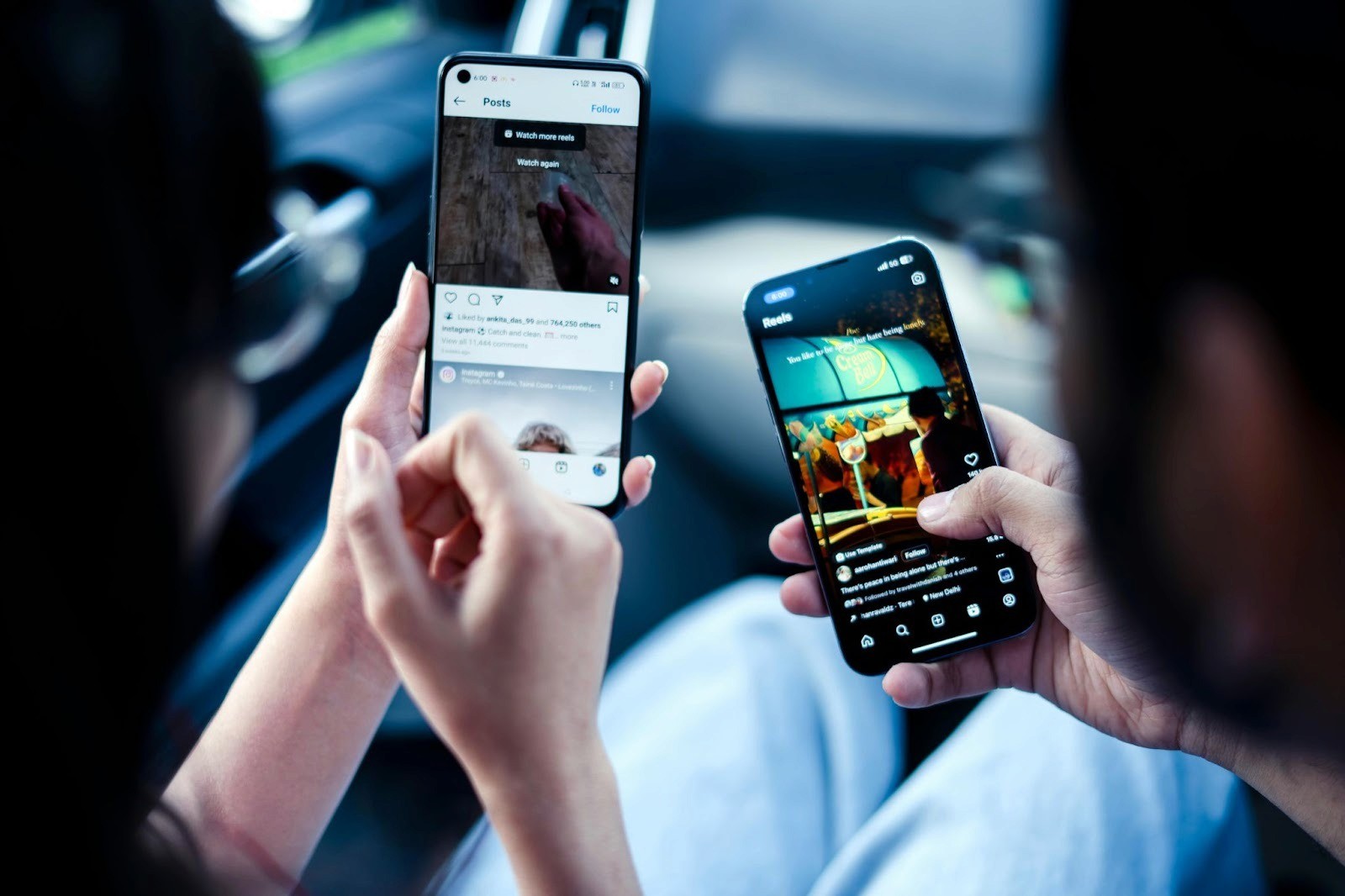
Instagram's engagement advantage proves particularly valuable for community gardens because consumers often purchase from brands they feel connected to on social media. This emotional connection translates into stronger volunteer commitment, higher event attendance, and more successful fundraising campaigns.
The platform's visual advertising format allows community gardens to showcase their impact through compelling before-and-after transformations, harvest celebrations, and community gathering moments that inspire action more effectively than text-based ads.
Platform-Specific Features Shape Community Building
Each platform offers unique features that serve different aspects of community garden operations and member engagement.
Facebook Groups Excel at Member Coordination
Facebook Groups create dedicated spaces where garden members can share tips, coordinate activities, and build lasting relationships beyond public posts. These private or public groups facilitate detailed discussions about garden management, seasonal planning, and resource sharing that wouldn't be appropriate for general social media feeds.

Groups excel at organizing volunteer schedules, coordinating tool sharing, and managing ongoing discussions about garden policies and improvements. The feature's notification system ensures members stay informed about important updates and can respond quickly to time-sensitive coordination needs.
Facebook's event integration within groups streamlines the process of organizing workdays, educational sessions, and social gatherings. Members can RSVP, ask questions, and share relevant information in one centralized location that maintains conversation history for future reference.
Instagram Stories Drive Real-Time Garden Updates
Instagram Stories provide an ideal format for sharing real-time garden progress, daily activities, and spontaneous updates that don't warrant permanent posts. The 24-hour disappearing format encourages more frequent, casual sharing that keeps followers engaged with ongoing garden activities.
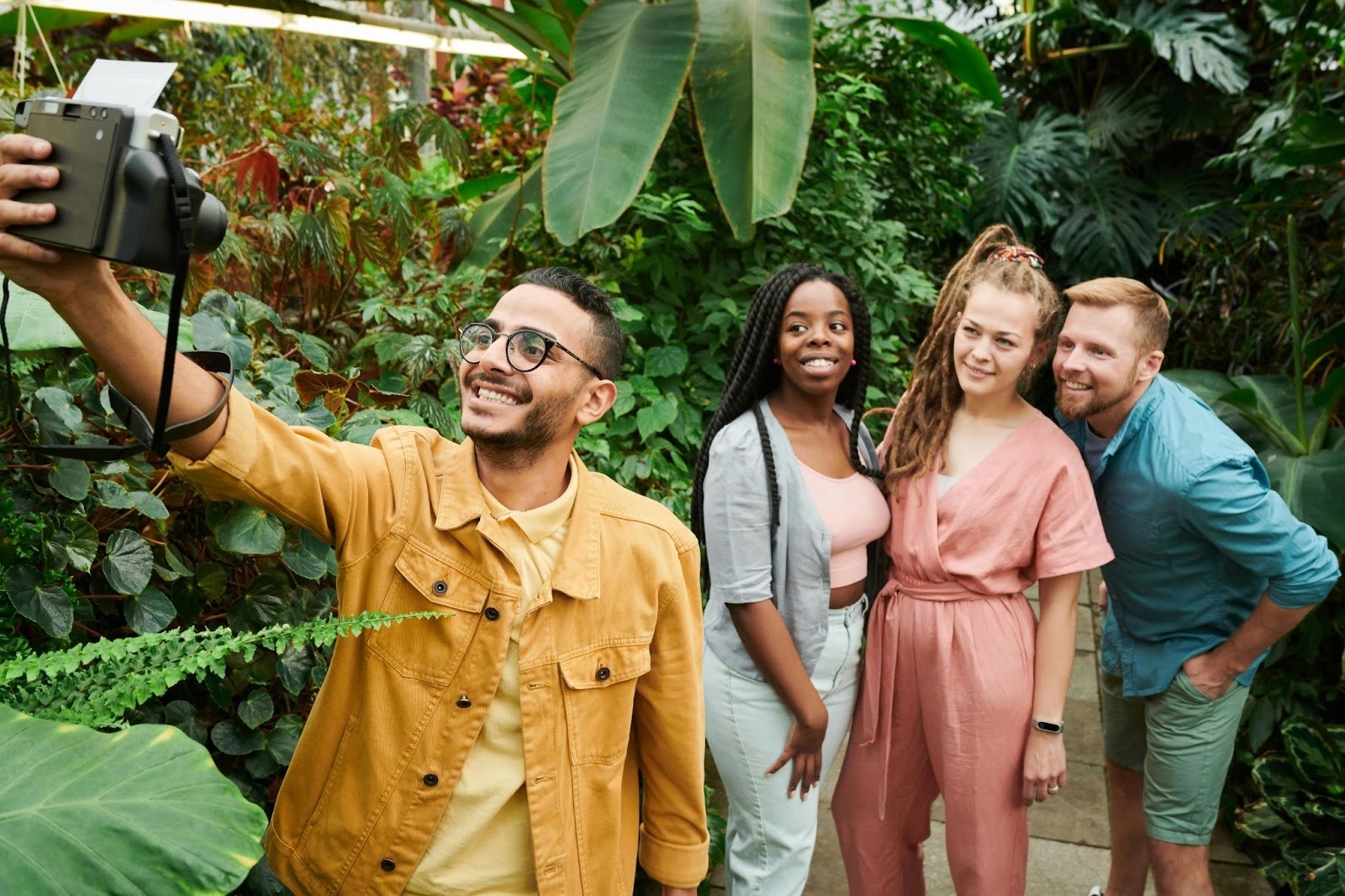
Story highlights allow gardens to organize content into permanent collections covering different topics like "Seasonal Changes," "Volunteer Spotlights," or "Garden Tips," creating easily accessible resources for new followers and community members.
The platform's polling, question, and quiz features within Stories create interactive opportunities for gathering community input on garden decisions, testing knowledge about sustainable practices, and encouraging two-way communication that builds stronger community bonds.
Multi-Platform Approach Maximizes Community Garden Success
The most successful community gardens in 2025 use both platforms strategically rather than choosing one over the other. Community gardens utilizing multiple social platforms can achieve better volunteer retention rates compared to those using single-platform strategies.
A dual-platform approach allows gardens to maximize their strengths: Facebook for practical coordination, event management, and reaching established community members, while Instagram drives inspiration, attracts younger demographics, and showcases visual garden storytelling that motivates participation.
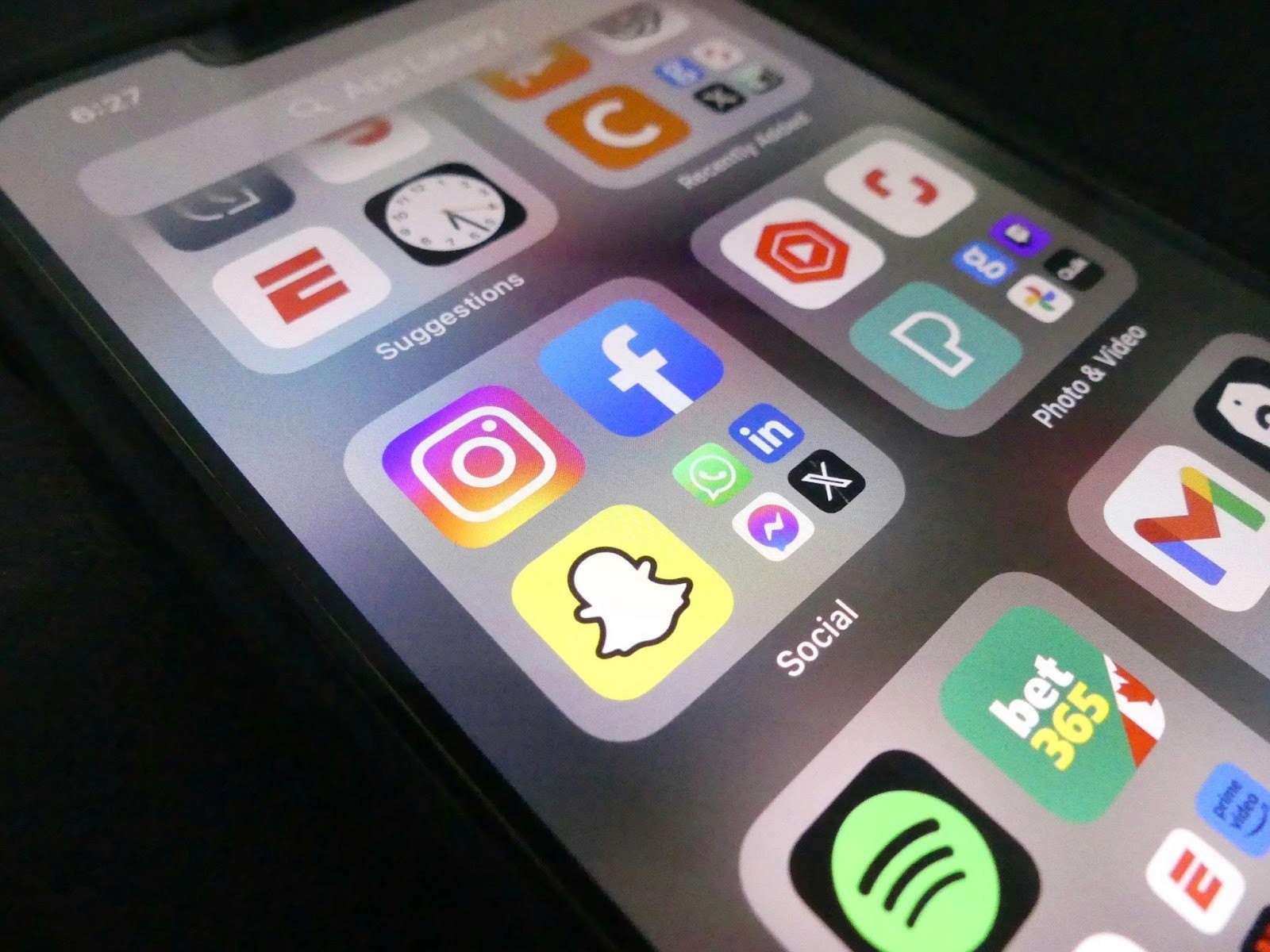
Successful multi-platform strategies involve creating platform-specific content calendars that use each platform's unique strengths while maintaining consistent messaging about garden mission and community impact. This approach requires more initial planning but delivers significantly better results in volunteer engagement, community awareness, and fundraising success.
Budget allocation for multi-platform success might involve investing more in Facebook for its cost-effective reach and event promotion capabilities, while dedicating a portion to Instagram for its superior engagement rates and visual storytelling advantages. This balance allows gardens to maintain broad community awareness while building deep connections with highly engaged supporters.
For community gardens seeking sustainable funding solutions that complement their social media efforts, LifeStyle Fundraiser helps you raise money. Find out how. Click here.