Grassroots Nonprofit Funding Opportunities in New Orleans
Did you know 36% of nonprofits rely on just three funding sources? For NOLA grassroots organizations, this feast-or-famine cycle threatens sustainability. Learn how diversifying revenue through individual donors, grants, and partnerships creates lasting stability.
Key Takeaways
36% of nonprofits rely on just three or fewer revenue sources, creating dangerous financial vulnerability for grassroots organizations
The feast-or-famine funding cycle leads to staff turnover, program discontinuity, and an inability to implement long-term strategic planning
Diversifying revenue through multiple streams including individual donors, grants, earned income and corporate partnerships creates stability
Building organizational infrastructure is essential for managing multiple funding relationships effectively
LifeStyle Fundraiser's membership model offers a modern solution to create predictable revenue through community-based support
Many New Orleans grassroots organizations find themselves trapped in a destructive pattern that undermines their ability to create lasting community impact. The feast-or-famine funding cycle, characterized by periods of abundant resources followed by crippling shortfalls, threatens the very sustainability of organizations serving our most vulnerable communities.
This pattern is particularly problematic in New Orleans, where LifeStyle Fundraiser has observed that grassroots groups face unique challenges related to the city's economic landscape, recovery from natural disasters, and systemic inequities. Breaking free from this cycle requires a strategic approach to revenue diversification and organizational capacity building.
Understanding the Feast-or-Famine Funding Cycle
The 36% Vulnerability: Why Depending on Few Sources Creates Risk
Research reveals a startling statistic: 36% of nonprofit organizations rely on just three or fewer revenue sources. This limited portfolio creates significant organizational risk when any single funding source changes priorities, experiences financial difficulties, or simply reaches the end of a grant cycle.

For grassroots organizations, this vulnerability is especially pronounced. Many groups operate with minimal administrative capacity, making it difficult to simultaneously manage current programs while pursuing new funding opportunities. When a major grant ends or a key donor shifts priorities, these organizations often face immediate financial crises that threaten their very existence.
How Funding Instability Damages Program Delivery and Staff Retention
The consequences of the feast-or-famine cycle extend far beyond financial spreadsheets. Organizations caught in this pattern experience:
High staff turnover as positions are eliminated during lean periods or employees leave due to uncertainty
Program discontinuity when services must be reduced or eliminated during funding gaps
Inability to engage in meaningful strategic planning when future resources remain uncertain
Mission drift as organizations chase available funding rather than focusing on core objectives
Reduced community trust when services appear unreliable or inconsistent
These impacts create a vicious cycle: funding instability weakens organizational capacity, which further reduces the ability to secure stable funding, deepening the feast-or-famine pattern over time.
The Unique Challenges Facing New Orleans Organizations
New Orleans grassroots groups face distinct challenges that can intensify funding instability:

Recovery from natural disasters has created a boom-and-bust pattern of available resources. Economic fluctuations in tourism and other key industries affect local giving capacity. Systemic inequities limit access to traditional funding networks for organizations serving marginalized communities.
Additionally, competition for limited philanthropic dollars in a city with significant community needs and geographic isolation from major national funding centers like New York or San Francisco create additional hurdles.
These factors combine to make the feast-or-famine cycle particularly challenging for New Orleans organizations, requiring tailored solutions that address both general nonprofit sustainability principles and the specific context of the city.
Five Proven Revenue Diversification Strategies
1. Building a Sustainable Individual Donor Base
Individual donor development represents one of the most underutilized funding sources for grassroots organizations, despite being potentially the most stable and flexible. Many groups focus exclusively on grants or contracts while overlooking the power of community-based giving.

Developing a sustainable individual donor program requires a strategic approach. Organizations should begin by mapping their existing networks—board members, volunteers, program participants, and community stakeholders—to identify potential donors. Creating compelling stories that illustrate the organization's impact helps transform casual supporters into committed donors.
Digital tools have made individual donor development more accessible for small organizations. Simple email campaigns, social media fundraising, and online giving platforms allow even the smallest grassroots groups to reach potential supporters. The key is consistency in communication and relationship building, not necessarily sophisticated technology.
2. Navigating Foundation Grants Strategically
Foundation grants will likely remain part of a healthy funding mix, but organizations can approach them more strategically to reduce dependency. The first step is diversifying foundation relationships—pursuing grants from local community foundations, private family foundations, and national funders with varying funding cycles.
The Greater New Orleans Foundation, Baptist Community Ministries, and United Way programs all offer funding opportunities specifically designed for local grassroots organizations. These local funders often provide more than just financial support; many offer capacity building assistance, networking opportunities, and other resources that strengthen organizational sustainability.
Additionally, organizations should look beyond program funding to seek capacity building grants that strengthen internal systems. Grants that support fundraising infrastructure, financial management systems, or strategic planning can have a multiplier effect by enhancing the organization's ability to secure other funding.
3. Developing Mission-Aligned Earned Income Streams
Earned income represents one of the most sustainable approaches to breaking the feast-or-famine cycle because it provides organizations with greater control over their financial resources. Even small grassroots organizations can develop earned income strategies that align with their mission and expertise.
Potential earned income strategies include:
Fee-for-service programs where clients who can afford to pay subsidize those who cannot
Consulting or technical assistance services based on the organization's expertise
Space rental or asset sharing arrangements
Product sales related to the organization's mission
Educational workshops, trainings, or events with registration fees
The key is ensuring that earned income activities directly support the organization's mission rather than distracting from it. Organizations should start small, testing concepts before making significant investments, and gradually scale successful ventures.
4. Accessing Government Contracts and Reimbursements
Government funding—through contracts, reimbursements, or direct grants—offers another potential revenue stream for organizations providing specific community services. While government funding often involves complex application processes and reporting requirements, it can provide substantial, relatively stable funding for eligible programs.

Organizations providing health services, housing support, education, or other direct services should investigate whether their programs might qualify for reimbursement through Medicaid, insurance programs, or government contracts. The Baptist Community Ministries Financial Sustainability Fellowship specifically supports organizations in accessing third-party reimbursements as a sustainability strategy.
Successful government funding relationships require strong administrative systems and financial controls. Therefore, organizations should invest in developing these capacities before pursuing complex government funding opportunities.
5. Creating Mutually Beneficial Corporate Partnerships
Corporate partnerships represent another potential revenue stream that extends beyond traditional sponsorships. New Orleans businesses increasingly recognize the value of community partnerships, as demonstrated by initiatives like The NOLA Coalition, which brings together nonprofit and business members.
Effective corporate partnerships are built on mutual benefit. Organizations should identify how their work addresses issues that matter to potential corporate partners—workforce development, community health, education, or neighborhood revitalization. By articulating these connections, organizations can move beyond transactional sponsorships to more substantial, sustained support.
Small grassroots organizations might begin with in-kind donations, volunteer engagement, or board service before pursuing financial support. These initial relationships can grow into more substantial partnerships as trust and mutual value are established.
Building the Infrastructure for Multiple Revenue Streams
Financial Systems That Support Diversification
Managing multiple revenue streams requires solid financial systems. Organizations must be able to track restricted and unrestricted funds, monitor compliance with various funding requirements, and generate accurate financial reports for different stakeholders. Without these systems, revenue diversification can create administrative chaos rather than financial stability.
Essential financial management practices include:
Clear chart of accounts that allows tracking by revenue source and program
Written financial policies and procedures for managing multiple funds
Regular financial reporting that monitors the balance of revenue sources
Cash flow projections that anticipate funding gaps
Compliance tracking systems for grants and contracts
Organizations should invest in appropriate financial management software and training to ensure staff can effectively manage increasingly complex financial portfolios.
Development Capacity: The Missing Link
Many grassroots organizations lack dedicated development staff, making it difficult to pursue multiple funding streams simultaneously. Building development capacity doesn't necessarily require hiring full-time fundraising staff; organizations can build capacity through board engagement, volunteer committees, staff training, or shared development resources.

Development capacity includes more than just grant writing or donation processing; it encompasses relationship management, communications, data tracking, and strategic planning. Organizations should assess their current development capacities and identify specific areas for growth that will support revenue diversification.
Board Development for Fundraising Success
Boards play a crucial role in fundraising diversification through their networks, expertise, and direct contributions. However, many board members lack clarity about their fundraising responsibilities or feel uncomfortable in fundraising roles. Board development should include clear expectations, fundraising training, and systems that make it easy for board members to participate.
Effective boards contribute to fundraising diversification by:
Making personal contributions appropriate to their circumstances
Opening doors to potential donors, foundations, or corporate partners
Sharing expertise in financial management, marketing, or specific funding streams
Providing strategic guidance on revenue diversification efforts
Monitoring the organization's progress toward financial sustainability
Organizations should recruit board members with diverse networks and skills that support different aspects of the revenue diversification strategy.
Strategic Planning for Sustainable Funding
Revenue diversification should be embedded in organizational strategic planning rather than treated as a separate fundraising exercise. Strategic planning processes should explicitly address questions of financial sustainability, including:

What is the ideal revenue mix for the organization given its mission, programs, and capacity? What internal capacities need to be developed to support revenue diversification? How will new funding strategies be phased in over time to avoid overwhelming staff?
Furthermore, organizations must determine what metrics will be used to evaluate the success of diversification efforts and how they will maintain focus on mission while pursuing new revenue streams.
In the end, the strategic planning process should result in a clear roadmap for revenue diversification that aligns with the organization's overall goals and capacities.
New Orleans Resources and Support Networks
Local Foundation Partners for Capacity Building
New Orleans grassroots organizations have access to several local foundations that provide not just funding but critical capacity-building support. The Greater New Orleans Foundation (GNOF) offers dedicated programs focused on organizational effectiveness, leadership development, and financial sustainability. Their Organizational Effectiveness Initiative provides assessment tools, workshops, and consulting support specifically designed to help organizations develop stronger internal systems.

Baptist Community Ministries provides targeted support through their Financial Sustainability Fellowship, which helps organizations develop third-party reimbursement strategies and other sustainable funding approaches. This intensive program combines funding with technical assistance to help organizations transform their revenue models.
The Huey and Angelina Wilson Foundation's Capacity Building Institute offers cohort-based support for organizations seeking to strengthen their infrastructure. This comprehensive program addresses multiple aspects of organizational capacity, including financial management, board development, and strategic planning.
Peer Learning Opportunities in the NOLA Nonprofit Community
Learning from other organizations facing similar challenges provides valuable insights and practical strategies. The Greater New Orleans Funders Network facilitates connections between funders and nonprofits while also supporting peer learning among grantees. Their learning communities bring together organizations working on similar issues to share resources, strategies, and lessons learned.

United Way programs in the region offer capacity-building training specifically focused on nonprofit management, financial planning, and fundraising. These programs often use cohort models that allow organizations to learn from each other while building their individual capacity.
Informal peer networks also play an important role in organizational learning. Organizations working in similar neighborhoods or addressing related issues can create intentional learning communities to share resources, collaborate on funding opportunities, and provide mutual support during challenging transitions.
Technical Assistance Programs Tailored to Local Needs
Technical assistance programs provide specialized support for organizational development. The Louisiana Public Health Institute and other organizations provide technical assistance specifically focused on helping nonprofits access reimbursable funding streams. These programs often include hands-on support with developing systems, preparing documentation, and guiding complex application processes.

Professional development resources are available through national organizations like BoardSource, which provides specialized training for nonprofit boards and staff. Furthermore, vital support and networking opportunities are provided by organizations dedicated to empowering leaders and communities, such as the National Urban League. Additionally, organizations can access resources through the Louisiana Association of Nonprofits and other statewide networks that provide training, technical assistance, and advocacy support.
Local universities and community colleges also offer robust resources for nonprofit development. Programs through Tulane, Loyola, and the University of New Orleans provide valuable workshops and consulting. Furthermore, Xavier University of Louisiana contributes expertise through its business and social justice-focused programs, while Southern University at New Orleans (SUNO) is a key resource with its renowned School of Social Work and Public Administration programs. These institutions often connect nonprofits with skilled student interns who can support capacity-building efforts.
Collaborative Approaches for Greater Impact
Collaborative approaches allow multiple organizations to pool resources and share funding. The Water Collaborative of Greater New Orleans demonstrates how grassroots organizations can work together to address shared challenges while diversifying their funding sources. These approaches can also include shared services arrangements that reduce operational costs while improving efficiency.

Fiscal sponsorship arrangements allow smaller organizations to access funding and administrative support through established nonprofits. Organizations like the Greater New Orleans Foundation and the Foundation for Louisiana provide fiscal sponsorship services that can help grassroots groups access funding while building their own capacity.
Advocacy and policy networks help organizations influence systemic changes that affect funding availability. Organizations like the Power Coalition for Equity and Justice work collectively to address policy issues that impact grassroots organizations and their communities. Participating in advocacy networks can also provide access to funding opportunities specifically targeted at policy and advocacy work.
From Survival to Stability: Creating Long-Term Financial Sustainability
Breaking the feast-or-famine cycle requires a shift from crisis management to strategic financial leadership. This transformation doesn't happen overnight, but organizations can take specific steps to move toward greater stability.

Here's a practical roadmap for organizations ready to break the cycle:
Assess your current funding mix - Analyze the percentage of revenue coming from each source and identify vulnerabilities
Build operating reserves - Start small if necessary, but consistently contribute to a fund that can cover at least three months of expenses
Diversify revenue streams - Implement strategies to ensure no single source provides more than 25% of total revenue
Invest in capacity - Strengthen financial management systems, development staff skills, and board fundraising capabilities
Monitor and adjust - Regularly review your revenue mix and make adjustments as needed to maintain balance
Diversifying revenue sources represents the core strategy for breaking the feast-or-famine cycle. Organizations should aim to create a balanced funding portfolio where no single source provides more than 25% of total revenue. This diversification reduces vulnerability to changes in any single funding stream while providing greater flexibility in program implementation.
Building internal capacity for financial management and fundraising creates the foundation for sustainable diversification. Organizations should invest in staff training, board development, and administrative systems that support effective resource development and financial oversight. These investments may initially reduce funds available for direct services but ultimately create greater stability for mission fulfillment.
Engaging community stakeholders in sustainability planning builds broader ownership of the organization's financial health. When board members, staff, volunteers, and community members understand the importance of diverse funding and participate in sustainability efforts, organizations develop a deeper bench of fundraising advocates and a stronger culture of financial responsibility.
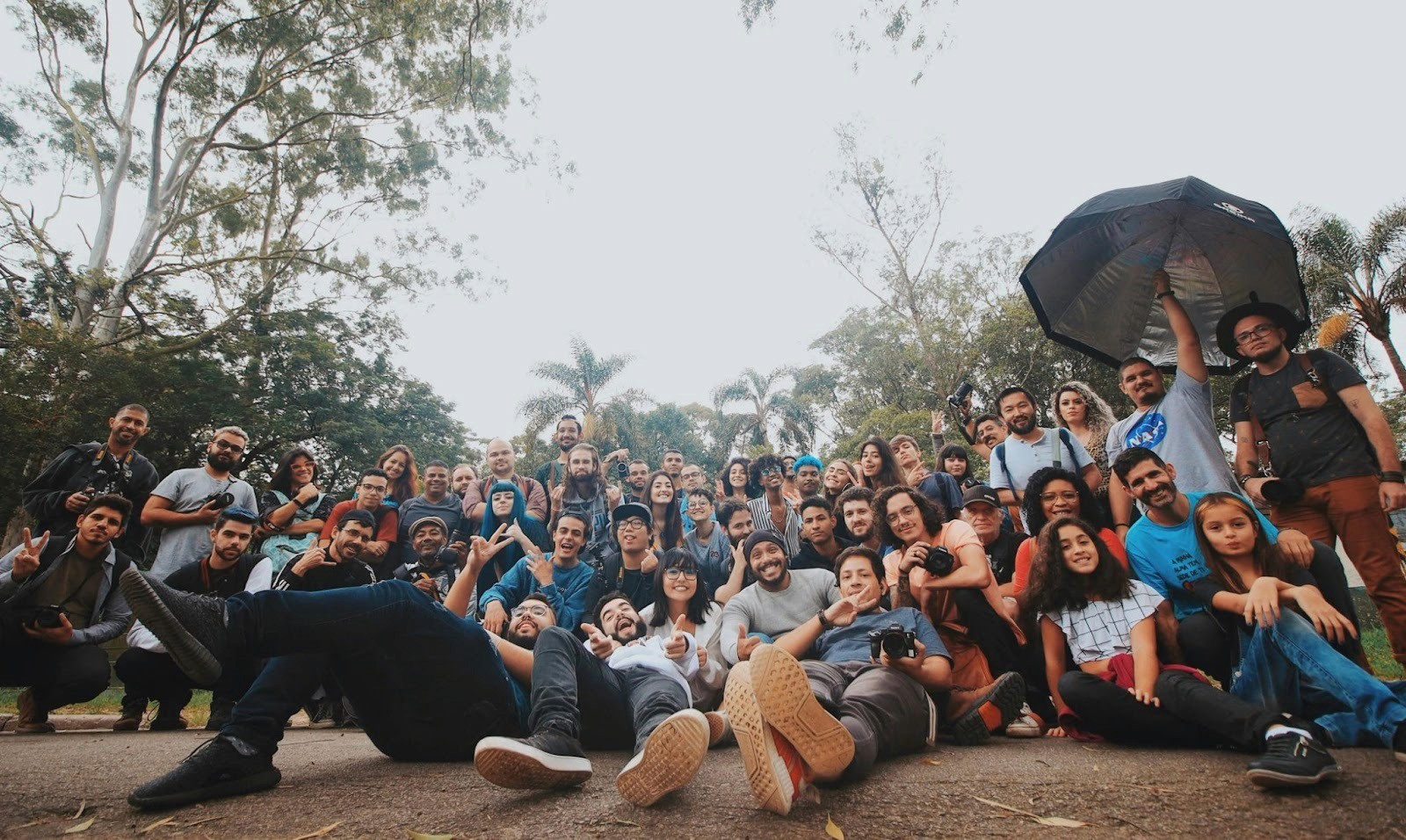
Creating a culture of transparency around financial challenges and strategies helps maintain trust during difficult transitions. Organizations should communicate openly with stakeholders about their financial situation, sustainability goals, and progress toward greater stability. This transparency builds credibility with funders and community members while creating accountability for sustainability efforts.
The journey from feast-or-famine to financial stability represents a fundamental shift in how grassroots organizations approach their work. Rather than seeing fundraising as separate from programming, financially sustainable organizations integrate resource development into every aspect of their operations. They recognize that financial stability doesn't just support the mission—it becomes essential to fulfilling it.
For New Orleans communities that depend on grassroots organizations for essential services, advocacy, and community building, this transformation has profound implications. Organizations that escape the feast-or-famine cycle can provide more consistent services, engage in longer-term planning, retain skilled staff, and ultimately create deeper community impact.
By adopting revenue diversification, building organizational capacity, and using the supportive networks available in New Orleans, grassroots organizations can break free from the feast-or-famine cycle and create the financial foundation needed for sustained community impact. The resources, partnerships, and strategies outlined above provide a roadmap for this transformation, but success ultimately depends on organizational commitment to making the changes necessary for long-term sustainability.
LifeStyle Fundraiser helps organizations create predictable revenue streams through innovative membership-based fundraising that builds deeper community engagement while escaping the traditional feast-or-famine funding cycle.
Want to learn the easiest way to raise funds for your organization? Click Here to find out.